Who should not take collagen (or should ask first)
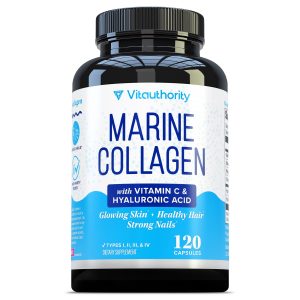
Marine collagen is sourced from fish skin and scales — usually wild or farmed cod, snapper, or tilapia. Anyone with a fish or shellfish allergy should avoid marine formulas entirely and look at bovine sources instead. Cross-contamination during processing is also a concern in facilities that handle multiple animal sources, so allergy-prone individuals should verify the manufacturing line.
Pregnancy and breastfeeding fall into the "consult your provider before starting" category. Hydrolyzed collagen peptides have not shown harm in published research, but they also have not been studied at the scale required to make affirmative recommendations during these life stages. Most providers will defer to the patient's overall protein intake and prenatal-vitamin status before adding peptide supplementation.
Bovine collagen is sourced from cow hide and bone, which puts it outside kosher and halal observance unless specifically certified. Marine and chicken sources do not resolve halal questions automatically either; certification is the relevant signal, not the source animal. Women observing dietary law should check for a certifying authority on the panel, not just an ingredient list.
A history of kidney disease, or current chronic kidney disease, warrants a conversation with your nephrologist before adding any supplemental protein source. Hydrolyzed collagen contributes a small but real protein load. For most healthy adults this is irrelevant. For women with reduced renal function, even small additions can matter for filtration load.
Medication interactions are uncommon but worth flagging. Collagen has no major documented drug-drug interactions, but high-dose supplementation alongside warfarin, certain blood-pressure medications, or calcium-binding agents has produced anecdotal reports of altered absorption or unexpected lab shifts. If you take prescription medication daily, ask your provider before introducing collagen, particularly at the 10g+ range.
If you have an active autoimmune flare or inflammatory episode, hold off until things settle rather than treating it as a permanent exclusion. Adding new variables during an active episode makes it harder to interpret what is doing what — and some autoimmune protocols specifically advise checking with a provider before introducing peptide supplements.
If any of the above apply, the answer is the same: consult your provider before starting.