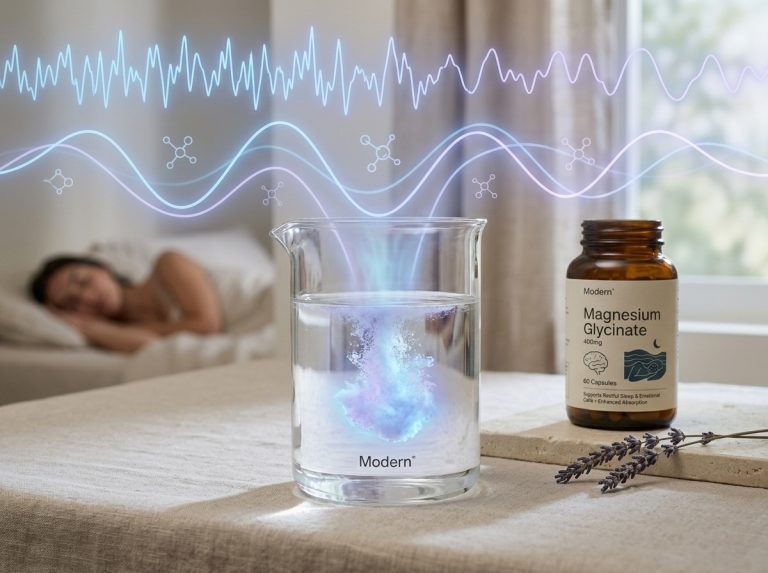
Magnesium Glycinate vs Citrate Sleep: Save $40/Year
Magnesium glycinate vs citrate sleep: which form gives deeper rest for less money? Cost-per-dose math, real absorption data, the cheaper winner.
Read article →Shop by Goal
Science-backed picks for the kind of wind-down that actually works — so you fall asleep faster and wake up ready.
Transparency matters to us. This page contains affiliate links, and we may earn a commission at no extra cost to you.
Not everyone calls it "insomnia." Most of us just notice that we take too long to fall asleep, wake at 3 a.m. with a racing mind, or get up tired no matter how many hours we clocked. The right supplement for each of those is different, and the wrong one wastes weeks.
Different problem, different supplement — and the wrong one wastes weeks.
Supplements aren't one-size-fits-all. Your best fit depends on your sleep pattern, stress load, caffeine timing, and overall evening routine. Stress is often the quiet saboteur of sleep — if your nights feel driven by a racing mind rather than physical fatigue, our stress and mood picks may be the better starting point.
A quick orientation to the ingredients we lean on — what they may help with, who they suit, and what to watch.
Answer three quick questions and we'll point you to a reasonable starting place.
Your nudge
Jump to section →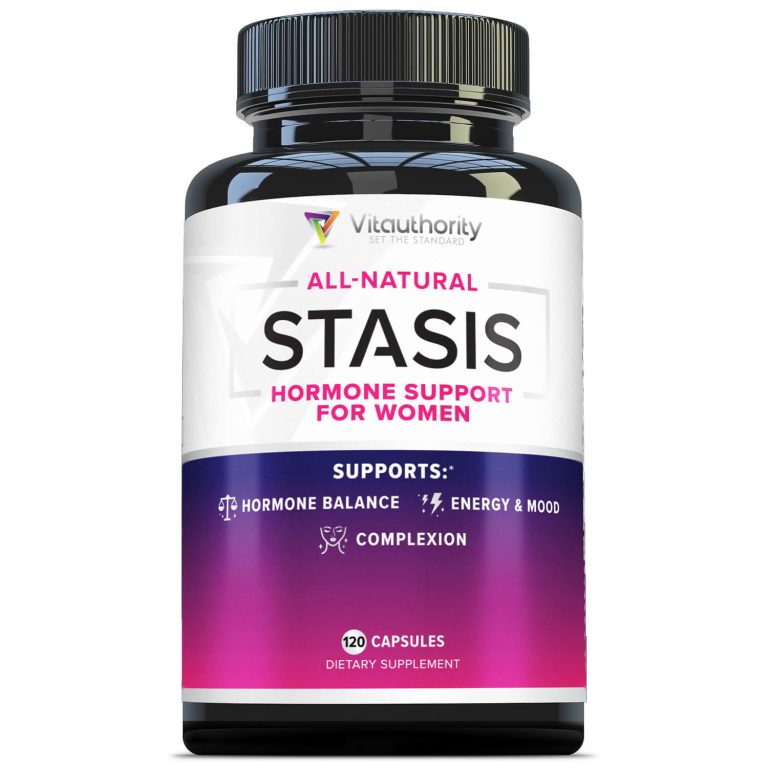
Hormone Support
Hormonal balance formula — supports restful nights through hormone health.
How we curate
We're an independent editorial team based outside the US. We don't run physical lab tests ourselves. What we do is screen brands for published third-party testing, specific ingredient forms and clinical doses, clear label transparency, and consistent customer feedback. When a brand doesn't meet those checks, it doesn't make the list — even when the commission is attractive.
Read our full methodologyFrom the Journal
Questions
They solve different problems. Melatonin nudges your circadian clock, so it earns its keep when the issue is timing — jet lag, shift work, screens pushing bedtime later than your body wants. Magnesium works through a calmer pathway, supporting the nervous system's wind-down and the muscle relaxation that makes falling asleep feel less like an effort. Many people find melatonin works fast but can leave a foggy, "groggy" morning when the dose is too high; magnesium rarely causes that carry-over.
If stress and muscle tension are your trigger, magnesium glycinate tends to be the gentler starting point. If your sleep timing itself feels broken, a low dose of melatonin (0.3 to 0.5 mg) is the research-backed first step. Which one sounds more like your night?
The ingredients we feature most — magnesium, L-theanine, glycine, ashwagandha — aren't classified as habit-forming in current clinical literature. That said, "safe" and "necessary every night" are two different things.
Your body has its own sleep regulation, and leaning on any supplement long-term can quietly mask root causes like late caffeine, evening screens, or an over-loaded nervous system. A reasonable approach is to use supplements as a bridge while you rebuild the routine, not as a permanent crutch. If you're on prescription medication, pregnant, nursing, or managing a chronic condition, run it past your healthcare provider first.
Form matters more than most supplement labels admit. Magnesium oxide is cheap but poorly absorbed — a large portion leaves your body without doing much. Citrate absorbs better but tends to have a laxative effect, which isn't what you want at 10 p.m.
Glycinate pairs magnesium with the amino acid glycine, which is itself linked to calmer sleep and gentler digestion. For a sleep context specifically, glycinate is the form we lean on.
Supplements fit best for mild, lifestyle-related sleep friction — not clinical insomnia. If your sleep trouble has persisted more than a few weeks, wakes you up gasping, leaves you with heavy daytime fatigue, or overlaps with anxiety or depression symptoms, a conversation with a clinician comes first.
The same applies if you're pregnant, nursing, on prescription medication, or managing a chronic health condition. These picks are a curated starting point for otherwise healthy adults looking to fine-tune their wind-down, not a replacement for proper medical evaluation.
The honest answer is: not without asking first. Magnesium and melatonin in particular can interact with a longer list of medications than most labels admit — blood pressure drugs, blood thinners, certain antidepressants, immunosuppressants. L-theanine has fewer known interactions but still deserves a check if you're on anxiety or sleep medication.
Before layering any supplement on top of a prescription, send your healthcare provider a short note listing what you want to try and at what dose. Most of the time they'll greenlight magnesium at a reasonable dose for someone otherwise healthy. The times they say "hold off" are almost always a signal worth listening to.
Still unsure?
Start with our sleep & relaxation guides — no product pitch, just orientation on what actually helps.
Browse the JournalThese statements have not been evaluated by the Food and Drug Administration. Products listed are not intended to diagnose, treat, cure, or prevent any disease. Consult a qualified healthcare professional before use, especially if pregnant, nursing, or taking medication.