
Ashwagandha for Cortisol Reduction: The Science
Research shows ashwagandha for cortisol reduction lowers stress hormone levels up to 66% via HPA axis modulation. See what clinical data reveals.
Read article →Shop by Goal
Adaptogens and calm-boosters that support a clearer head and a lighter baseline — without knocking you out.
Transparency matters to us. This page contains affiliate links, and we may earn a commission at no extra cost to you.
Modern stress rarely shows up as a single bad day. It lingers as shallow breath, a short fuse, tightness in the chest, a mind that won't stop running at 11 p.m. The goal isn't to feel nothing — it's to recover a steady baseline so normal stressors stop stacking into burnout.
The goal isn't to feel nothing — it's to stop small stressors from stacking into burnout.
These picks focus on adaptogens and neurotransmitter-adjacent nutrients with the most research behind them. If stress is keeping you awake at night rather than wired during the day, our sleep and relaxation picks may fit better.
A quick orientation to the ingredients we lean on — what they may help with, who they suit, and what to watch.
Three quick questions — we'll point to a reasonable starting place.
Your nudge
Jump to section →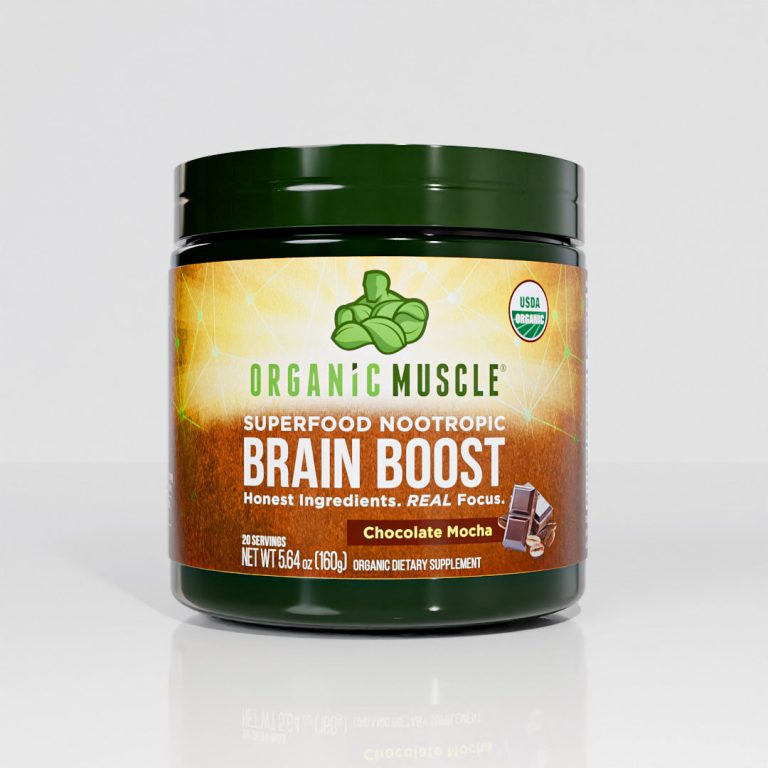
Nootropic
Organic nootropic blend for focus, clarity, and calm stress response.
How we curate
We're an independent editorial team based outside the US. We don't run physical lab tests ourselves. What we do is screen brands for published third-party testing, specific ingredient forms and clinical doses, clear label transparency, and consistent customer feedback. When a brand doesn't meet those checks, it doesn't make the list — even when the commission is attractive.
Read our full methodologyFrom the Journal
Questions
Sedatives push you down. Adaptogens help your body handle stress without flattening it. A sedative makes you drowsy; an adaptogen keeps you alert but less reactive. That's why most people can take ashwagandha or rhodiola during a workday — they wouldn't take an herbal sedative the same way.
The trade-off: adaptogens build gradually. You notice a steadier baseline after a few weeks, not a sudden "ahhh." If you need immediate help tonight, an adaptogen is the wrong tool.
Clinical studies on standardized ashwagandha (like KSM-66) typically run 8 weeks. Most people report the first subtle shift around week 2 or 3 — not a dramatic mood lift, more a sense that small stressors don't land as hard. If you've tried it for a month with no change at all, the dose may be too low (look for 300–600 mg standardized per day) or the form may not be clinical-grade.
Keep a short note to yourself if you can. Stress improvements are easier to miss than to feel, especially when other things in life settle at the same time.
Stacking a few adaptogens is common and generally well-tolerated if each one is in a reasonable dose. What you want to avoid is throwing five different "calm" formulas at the same time without knowing what's in each — many blends overlap.
A cleaner approach is to start one adaptogen for 4–6 weeks, then assess. If you see improvement but want more edge, add a second (often L-theanine or rhodiola). This way you actually know what's doing the work.
Supplements are a support layer, not a fix for clinical anxiety, depression, or trauma. If stress is disrupting your sleep more nights than not, affecting appetite or relationships, or showing up as physical symptoms like chest tightness or panic episodes, that's a sign to involve a clinician. A therapist, doctor, or both.
There's no shame in needing actual medical help. Supplement pages aren't designed to talk anyone out of it.
The short answer is: ask your prescriber first. Ashwagandha and rhodiola in particular have mild interactions with SSRIs, SNRIs, and benzodiazepines that aren't dangerous at typical supplement doses but can amplify effects you may not want — extra drowsiness, blunted edge, occasional mood swings in the first weeks. L-theanine has fewer documented interactions but still deserves a mention if you're on psychiatric medication.
The conversation tends to go smoother than people expect. Many clinicians are comfortable greenlighting ashwagandha at 300–600 mg/day for otherwise-stable patients. What tends to earn a pause is stacking three different "calm" formulas on top of a prescription. Keep it simple: one adaptogen at a time, at a clinical dose, with your prescriber in the loop.
Still unsure?
Start with our stress & mood guides — no product pitch, just orientation on what actually helps.
Browse the JournalThese statements have not been evaluated by the Food and Drug Administration. Products listed are not intended to diagnose, treat, cure, or prevent any disease. Consult a qualified healthcare professional before use, especially if pregnant, nursing, or taking medication.